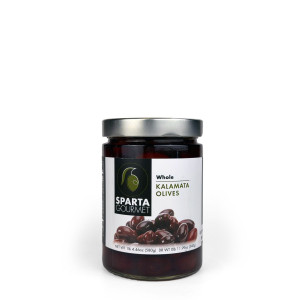
A Small Producer Sourcing Example from Greece
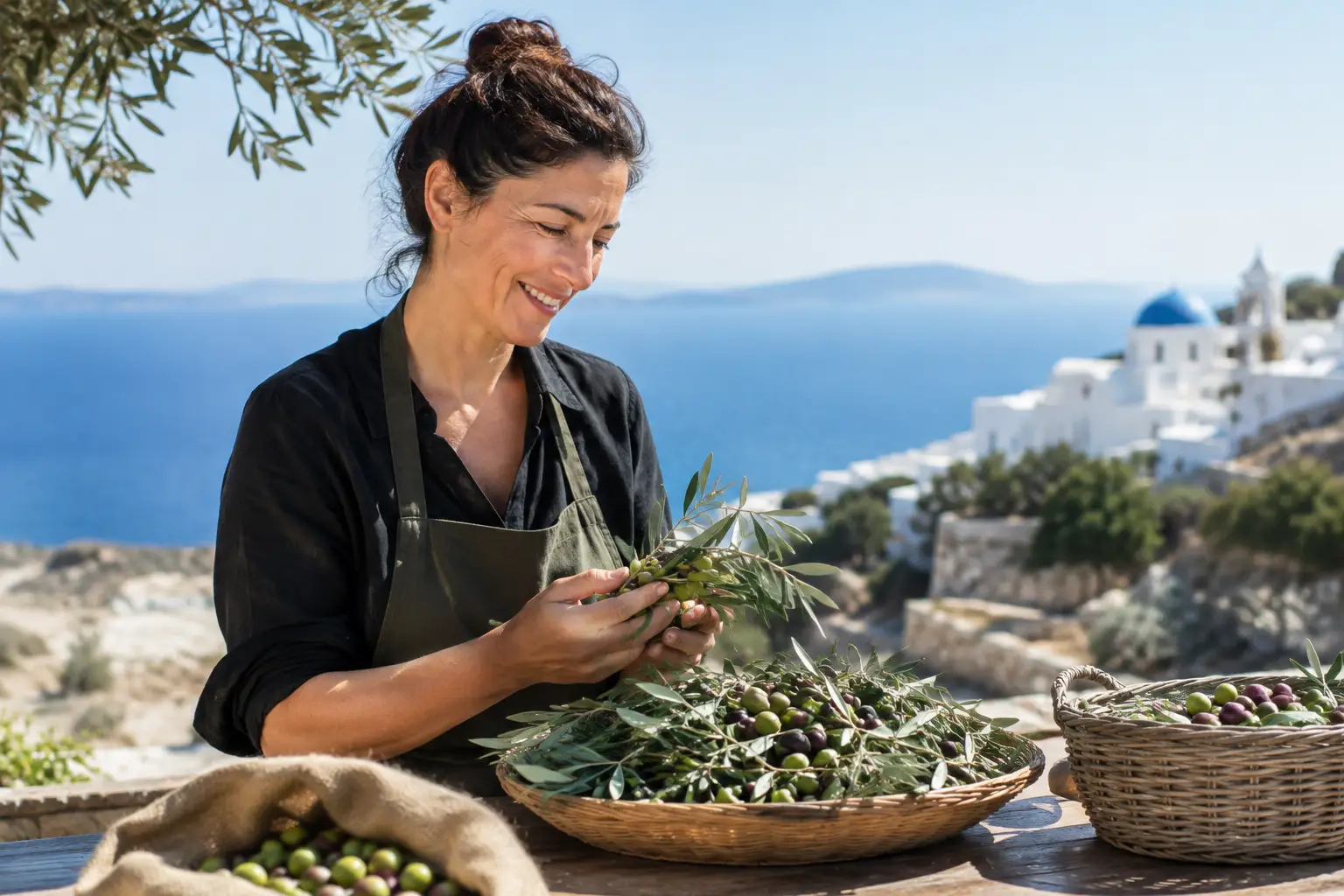
A fine jar of honey or bottle of olive oil begins long before it reaches a kitchen shelf. This small producer sourcing example follows the work behind a truly distinctive Greek pantry ingredient: the questions asked in the grove, the decisions made at harvest, and the relationship required to bring a regional product to a discerning table.
For Ionian Heritage, sourcing is not a hunt for the lowest available price or the most polished label. It is a patient search for producers whose methods, landscape and standards can be felt in the flavour. That distinction matters. Greek food is often grouped under broad, familiar names, yet an early-harvest Koroneiki olive oil from one hillside can be utterly unlike another pressed a few valleys away.
What Small-Producer Sourcing Really Means
Small-scale does not automatically mean exceptional. A family estate may have a moving history and still lack the consistency, food safety practice or supply planning needed for an international customer. Equally, a larger co-operative may preserve remarkable local knowledge and offer admirable traceability. The purpose of careful sourcing is to look beyond scale and find evidence of quality at every stage.
In the Greek countryside, that evidence often begins with place. Soil, altitude, proximity to the sea, local varieties and the timing of the harvest all leave their mark. A producer who can explain why their olives are picked in October rather than December, or why their thyme honey comes from a particular upland flowering season, is usually speaking from lived agricultural knowledge rather than a marketing brief.
The best partnerships also preserve a sense of proportion. A limited harvest should remain limited. There is little value in presenting a rare estate oil as exclusive, then stretching supply with anonymous bulk oil from elsewhere. Traceability means knowing not only the region but the people, process and harvest behind each lot.
A Small Producer Sourcing Example: Early-Harvest Olive Oil
Imagine the search for an extra virgin olive oil from Messinia, in the south-west Peloponnese. The objective is clear: find an oil with bright green character, low bitterness in balance with a peppery finish, and a provenance strong enough to stand on its own at the table.
The first conversation is not about packaging. It is about the grove. Are the trees predominantly Koroneiki, the celebrated Greek olive variety known for its intensity and aromatic complexity? How are they cultivated? Is irrigation used sparingly where needed, or is the land dependent on rainfall? What happens to the pruned branches and olive pomace? These details do not create quality by themselves, but they reveal how thoughtfully the farm is managed.
Harvest is the decisive moment. Olives selected while still green tend to yield less oil than fully ripe fruit, which makes early harvesting a more expensive choice. The reward is often a vivid, grassy profile, with notes of tomato leaf, artichoke or fresh almond. A producer committed to this approach accepts a commercial trade-off: lower volume in return for greater expression.
Next comes the journey from tree to mill. Freshly picked olives deteriorate quickly. Ideally, they are taken to milling on the day of harvest in ventilated crates rather than compressed in sacks. At the mill, clean equipment, controlled temperatures and swift separation are essential. The phrase cold extraction is useful only when it is supported by good practice throughout the process. A low processing temperature cannot rescue bruised fruit or a delayed harvest.
Tasting then brings the technical and sensory sides together. A promising oil should smell alive: green herbs, wild leaves, citrus peel, perhaps a soft pepper note. On the palate, bitterness and pungency are not faults when they are balanced. They are often signs of fresh olives and natural phenolic compounds. Rancid, fusty or wine-like notes, however, suggest defects that no handsome bottle can conceal.
A sourcing decision also requires paperwork and discipline. Batch information, harvest date, storage conditions, laboratory analysis and food compliance need to be clear. Premium food should be romantic in the kitchen, not ambiguous in the supply chain. For customers in Ireland and beyond, confidence comes from both the story and the evidence behind it.
The Questions That Separate Provenance from Promotion
A producer does not need rehearsed language to be credible. In fact, the most persuasive answers are often specific, practical and occasionally imperfect. A grower may explain that a difficult spring reduced the crop, or that an unusually hot summer changed the oil's balance. Seasonal variation is part of honest agricultural food.
When assessing a potential producer, look for clarity on four connected areas: origin, method, flavour and continuity. Origin means more than a country name. It should identify the growing area, ingredient variety and, where relevant, the individual estate or village. Method covers cultivation, harvest, processing and storage. Flavour must be confirmed by tasting rather than borrowed from generic tasting notes. Continuity asks a less romantic but necessary question: can the producer supply the promised quality reliably, without compromising their own standards?
The final question is especially relevant for small estates. A tiny producer may make extraordinary oil but have only a few hundred bottles available after setting aside stock for local families and restaurants. That scarcity can be meaningful, yet it must be handled honestly. A retailer may choose a seasonal allocation, a smaller release or a complementary second producer rather than pressuring one farm to supply beyond its capacity.
Why Relationship Matters More Than a Single Harvest
A sample can be excellent and still be a poor basis for a lasting partnership. Small-producer sourcing becomes valuable over time, when both sides can speak candidly about yield, pricing, freight, packaging and changing conditions in the field.
Fair pricing is central to this. Artisanal production carries real costs: hand labour, careful milling, specialised jars, analysis and the risk of an inconsistent harvest. An unusually low price may signal a bargain, but it can also mean the producer is absorbing losses or cutting corners. The right price supports the work that gives the ingredient its distinction.
There are practical trade-offs. Glass protects an oil's presentation and can be reused, but it is heavy to transport. A dark bottle safeguards the contents from light better than clear glass, though it may hide the oil's colour. A harvest-date statement offers useful transparency, but it requires disciplined inventory management so older stock is not quietly left behind. Good sourcing acknowledges these tensions rather than pretending every choice has a perfect answer.
Trust also makes room for change. One year's olive oil may be more peppery; another may be rounder and softer. Thyme honey can vary in colour and aroma according to rainfall and flowering. These differences are not inconveniences to disguise. When the underlying standard remains high, they are the signature of food made according to season and place.
Bringing the Producer's Work to the Table
The value of a carefully sourced ingredient becomes clearest when it is used simply. An early-harvest olive oil deserves a place where its fragrance can be noticed: poured over warm white beans with lemon and parsley, spooned across grilled vegetables, or served with good bread and a little sea salt. Heat has its place, but a precious finishing oil is most eloquent when added at the end.
The same principle applies across a heritage pantry. A rare saffron should be steeped patiently, not overwhelmed. A single-origin pistachio should retain its natural sweetness and crispness. A fragrant Greek honey should be tasted first from the spoon before it is folded into yoghurt, baked fruit or a glaze. These are not ingredients that require elaborate treatment to justify themselves.
Choosing from small producers is ultimately a choice to pay attention: to the harvest date, the village, the variety, the hand behind the process and the flavour in the final dish. The next time you open a bottle or jar with a name and a place behind it, give it the simplest possible stage. Let the land speak first.